Optimizing Water Usage: The Role of the RS485 Serial IoT Edge Gateway in Automated Farm Irrigation
Modern Smart Agriculture Overview
Agriculture is currently undergoing a silent but significant revolution, transitioning from generalized, intuition-based practices to smart agriculture, often termed precision farming. This modernization effort leverages advanced technologies, including the Internet of Things (IoT), machine learning, and automation, to fundamentally redefine how crops are grown.
The core principle of smart farming is simple: gather highly specific data about environmental conditions—such as soil health, temperature, and moisture levels—and use that data to make hyper-localized, timely interventions. Instead of treating an entire field uniformly, smart systems enable farmers to address the specific needs of smaller zones. This targeted approach is not merely about achieving higher yields; it is about building a more sustainable, efficient, and profitable food production system capable of meeting the demands of a growing global population while mitigating the risks posed by climate change.
Problems in Traditional Irrigation
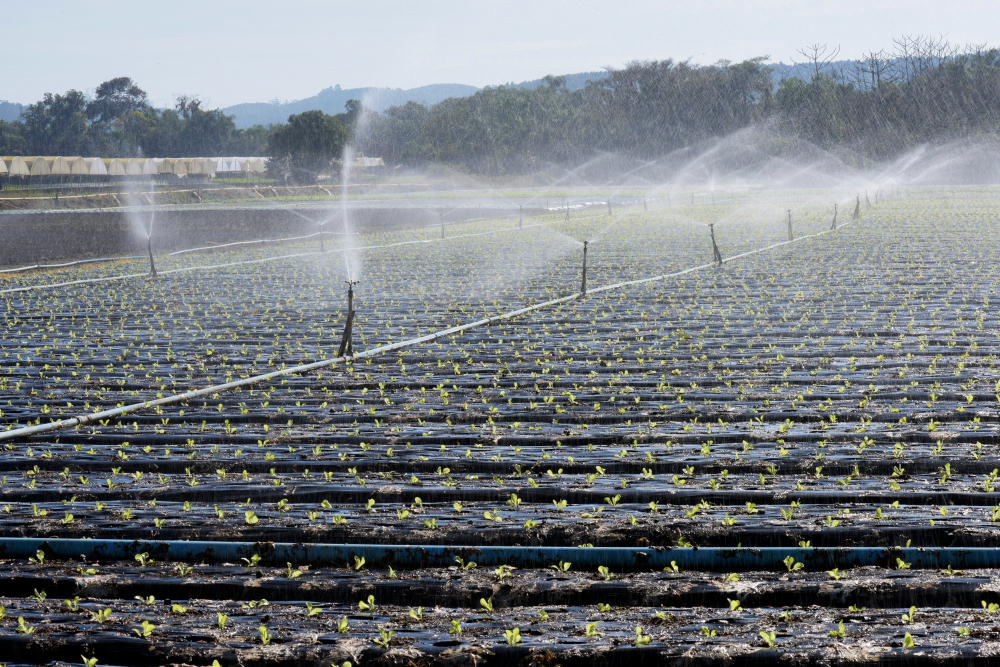
Historically, irrigation has been one of the most resource-intensive and inefficient aspects of farming. Traditional methods, whether manual flood irrigation or timed sprinkler systems, are built on fixed schedules rather than real-time necessity. This inevitably leads to two damaging extremes: over-watering or under-watering.
Over-watering results in the massive waste of a precious resource (water), increases pumping energy costs, and causes nutrient leaching, washing away vital fertilizers and reducing the effectiveness of soil amendments. Conversely, under-watering stresses crops, inhibits growth, and dramatically reduces final harvest yields. Without reliable, real-time feedback from the field, farmers must rely on guesswork or time-consuming manual checks. This reliance on generalized scheduling and limited data makes efficient water usage virtually impossible, highlighting the critical need for reliable and precise automated farm irrigation systems.
IoT’s Role in Transforming Agriculture
The Internet of Things (IoT) provides the technological backbone necessary to solve the inefficiencies inherent in traditional farming. IoT transforms inanimate objects—like soil moisture sensors, weather stations, and pumps—into data sources. By deploying a network of these smart sensors across a field and connecting them to a central system, farmers gain unprecedented visibility into the micro-conditions affecting their crops.
This connectivity enables the concept of data-driven smart farming solutions. Instead of applying water or fertilizer on a fixed date, actions are triggered by live data. For instance, an irrigation valve only opens when a soil moisture sensor reports the level has dropped below a specified threshold. This shift from reactive or scheduled farming to proactive, data-driven management requires a specialized, robust device to collect, process, and transmit the sensor data from the often remote and harsh agricultural environment: the IoT Edge Gateway.
Precisol Automation RS485 Serial IoT Edge Gateway: Bridging the Field to the Cloud
In the field, standard internet connectivity is often unreliable, and existing field devices like flow meters and programmable logic controllers (PLCs) typically communicate using industrial standards like RS485 and Modbus RTU. This is where the RS485 serial IoT edge gateway becomes the indispensable device.
The RS485 communication standard is highly valued in agriculture because it offers robust, long-distance communication that is resistant to the electrical noise often found in farm environments. The gateway, such as the one offered by Precisol Automation, is designed with industrial-grade features, including an IP40 rated enclosure and a wide operating temperature range (e.g., -40°C to +85°C), ensuring reliability under conditions.
Its key function is to act as a protocol translator. It connects to Modbus-enabled field devices (valves, pumps, meters) via its RS485 serial interface, reads the data (Modbus RTU water flow monitoring in agriculture), and converts these industrial protocols into modern, secure internet protocols (MQTT, HTTP) for transmission. Utilizing LTE cellular connectivity, the gateway ensures data reaches the cloud regardless of proximity to traditional Wi-Fi networks.
Crucially, the gateway possesses edge intelligence. This capability allows it to process sensor data locally and immediately execute commands, such as shutting off a pump if a leak is detected, without waiting for round-trip communication to the cloud. With additional features like analog inputs (4-20mA), it can seamlessly integrate with a wide spectrum of analog sensors, making it the perfect field controller for a comprehensive smart farm setup.
How Irrigation Automation Works: A Step-by-Step Approach
True irrigation automation is a closed-loop system powered by the gateway:

- Sensing and Data Collection: Soil moisture probes, temperature sensors, and high-accuracy water flow meters are installed and wired to the IoT Edge Gateway using the reliable RS485 connections.
- Local Intelligence: The gateway continuously polls these devices using the Modbus RTU protocol. Its edge intelligence constantly compares the gathered data (e.g., soil moisture) against predefined operational rules and thresholds.
- Actuation: If the local data dictates a need for water, the gateway sends a command to the connected pump controller or solenoid valve via its serial interface or digital outputs. The valve opens, and the irrigation cycle begins.
- Monitoring and Safety: Throughout the cycle, the gateway monitors the flow meter. If the flow rate falls or spikes unexpectedly, indicating a blockage or a burst pipe, the gateway instantly shuts down the pump and triggers an urgent local and cloud alert.
- Cloud Reporting: All operational data—water consumed, cycle duration, device status, and sensor readings—is packaged and transmitted via LTE to the central cloud server for long-term analysis and reporting.
PreciCloud Dashboards and Analytics: Driving Data-Based Decisions
The intelligence gathered at the edge is only truly powerful when aggregated and analyzed in the cloud. Cloud platforms like PreciCloud transform raw sensor readings into actionable business intelligence. These centralized cloud dashboards provide farmers with a single pane of glass to monitor their entire operation remotely. Key features include:
- Real-time Visualization: Graphical displays of water usage, energy consumption, and field conditions.
- Remote Management: The ability to perform remote device configuration and Over-The-Air (OTA) firmware updates on all deployed gateways, minimizing site visits.
- Automated Reporting: Generating detailed, compliance-ready reports in formats like CSV and PDF, allowing for precise tracking of resource consumption (e.g., water consumed per crop cycle).
- Proactive Alerting: Instant email and SMS notifications when critical events are detected by the gateway’s edge intelligence, ensuring swift response times.
This centralization of information is fundamental to delivering advanced data-driven smart farming solutions, enabling farmers to continuously refine their practices season after season.
Key Benefits of Automated Smart Farming
Adopting a solution built around the RS485 serial IoT edge gateway for automated farm irrigation offers tangible advantages that directly impact the bottom line and environmental footprint:
- Water Conservation: By irrigating only when and where required based on actual soil moisture, water waste can be reduced significantly.
- Higher Yields & Quality: Optimal and consistent water delivery reduces crop stress, resulting in healthier plants and better-quality harvests.
- Operational Savings: Less water usage, reduced pumping time, and early leak detection translate directly into lower energy bills and reduced operational expenses.
- Labor Efficiency: Automation eliminates the need for manual monitoring and control of valves and meters, freeing up farm personnel for more value-added tasks.
- System Reliability: The industrial build quality, robust RS485 communication, and cellular connectivity ensure the system remains online and operational in challenging field conditions.
The future of agriculture hinges on sustainability and precision. The RS485 serial IoT edge gateway is the crucial enabler, bridging the proven reliability of industrial protocols like Modbus RTU with the power of modern cloud computing. By providing real-time data collection, local processing (edge intelligence), and seamless cloud connectivity, these gateways empower farmers to move past guesswork and fully embrace automated farm irrigation. The result is a more resilient, profitable, and environmentally conscious approach to growing food for the world.


